


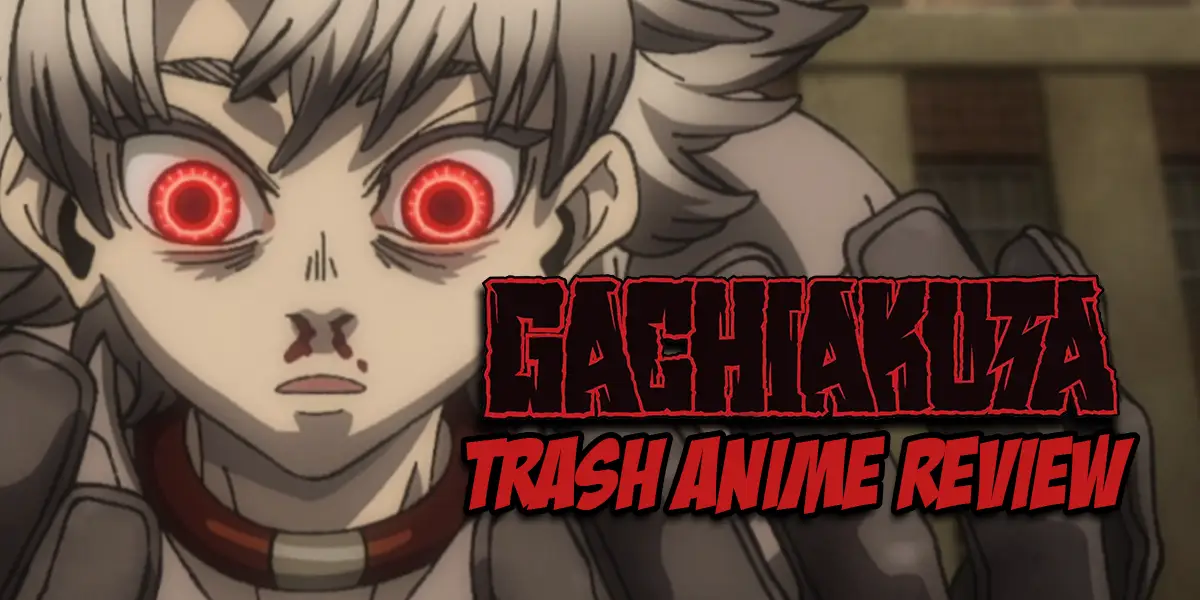
I went into Gachiakuta fully prepared to roll my eyes.
The marketing screamed edgy. The visuals looked like someone handed Temu Hot Topic a Crunchyroll budget. And the premise felt suspiciously close to “loud underdog boy gets screwed over by society and punches his way back up,” which is basically the Shonen Starter Pack at this point.
And yet…here we are.
Because somewhere between the garbage monsters, graffiti-infused fight scenes, and Rudo screaming about injustice like a feral raccoon with a grudge – this show kind of won me over.
Is it revolutionary? Not even a little.
Is it funderful? Honestly, I was surprised how much I liked it.
Let’s sift through the trash pile and get down to the heart of Gachiakuta.
Gachiakuta Premise: Eat the Rich, Fall Into the Dumpster
At its core, Gachiakuta follows Asta Rudo, a kid from the slums of a floating city where the wealthy elites live spotless lives and literally throw their garbage off the edge of society. Guess where that trash goes?
Down below.
Into a hellscape wasteland (that looks like it was ripped straight out of Deadpool & Wolverine) where discarded junk mutates into monsters and the poor souls tossed down with it have to survive.
After being nefariously framed for the murder of his own adoptive foster father, Rudo gets yeeted into the abyss like last week’s leftovers. Instead of dying, he is protected by plot armor and lands in the garbage world and discovers a new power system involving “Vital Instruments” – objects infused with emotional energy that can turn ordinary junk into weapons.
Yes. Literal trash powers.
And somehow…it works.
The class divide is not subtle. This show does not whisper its themes. It spray-paints them on a concrete wall and throws a brick through your window for some double funsies. But the setting itself is honestly strong enough to carry it. The contrast between the clean, privileged upper world and the chaotic wasteland below is visually striking and thematically satisfying.
It’s dystopian. It’s grimy. It smells like social commentary and old tires.
And I can totally respect that.
So…Is It Just Black Clover With Garbage?
Okay, I keep coming back to this comparison so let’s just address the elephant in the landfill.
Comparisons to Black Clover are unavoidable. You’ve got:
Loud, scrappy underdog protagonist
Social outcast status
A power system built around plucky personal growth
The team-based combat structure
Lots of revenge and climbing-the-ladder vibes
Sound familiar or am I just personally crazy?
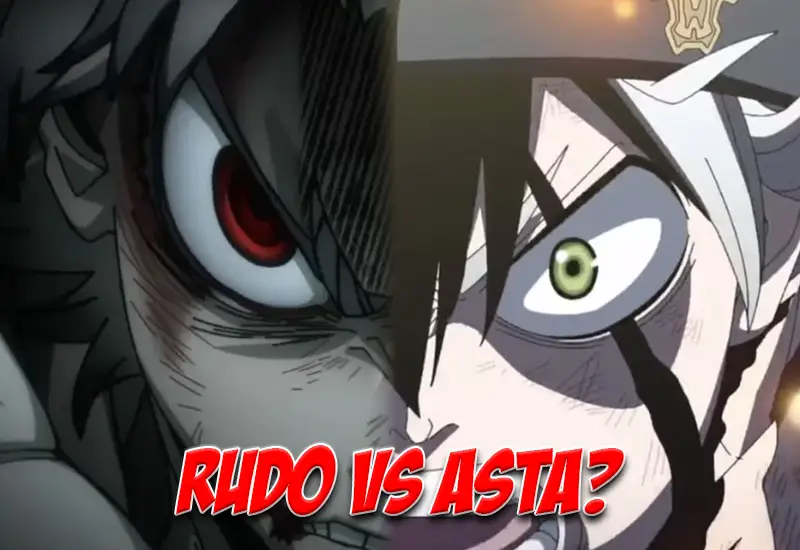
Image: Rudo vs. Asta | Gachiakuta Got Black Clover Vibes
But here’s the thing. Shonen has always been built on familiar bones. The real question is whether a series adds enough flavor to justify its existence.
And honestly, I think Gachiakuta does that in spades through its aesthetic and tone.
The graffiti art style gives the fights a primitive, gritty attitude. The character designs look like they walked straight out of an underground art collective instead of a foofy magic academy. The world feels industrial and dirty in the best way possible.
Is the story structure predictable? Yes.
Does it occasionally lean too hard into “edgy”, over-localized dialogue? Also yes.
Do I still want to see Rudo throw hands with trash kaiju every week? Hell yes, please!
Sometimes you don’t need gourmet storytelling. Sometimes you just want high-energy chaos with some badass fight scenes.
Meet the Trashy Gachiakuta Characters
Rudo is not subtle. He is not calm. He is not emotionally regulated.
He is pure gutter gremlin with abandonment issues…
And weirdly, it works.
He could have easily become unbearable. There are moments where he teeters dangerously close to “bro, please lower your voice.” But the show balances his rage with vulnerability and stubborn loyalty in a way that honestly keeps him pretty watchable.
The supporting characters help carry Gachiakuta a lot, though:
The Cleaners, the Team Rocket of the garbage world, bring a mix of eccentric personalities that prevent the tone from collapsing into nonstop teenage angst. There’s humor here. Not polished sitcom humor, but scrappy banter and exaggerated reactions that probably land more often than they miss.
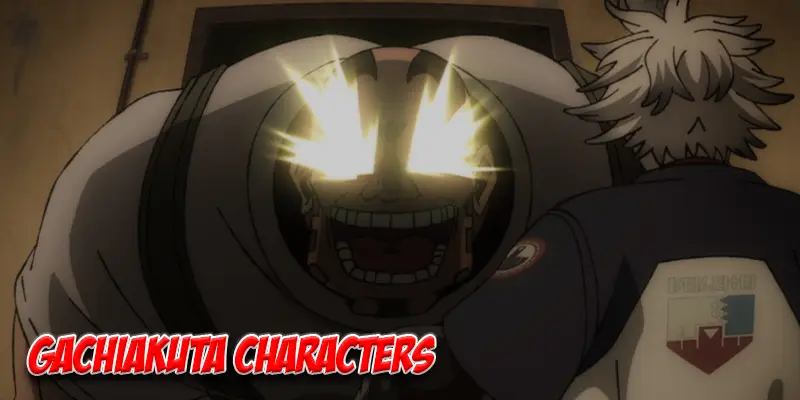
Image: Lovable Characters | Gachiakuta Ep 23 | Studio Bones | Crunchyroll
The show understands that if you’re going to live in a literal trash dimension – you might as well have some personality while doing it.
And honestly, a lot of the comedic timing caught me off guard sometimes. I don’t feel like It’s trying to be a “gag anime”, but it does sprinkle enough absurdity into tense moments to keep things from getting utterly suffocating.
It’s messy. But it’s a good messy on purpose.
But What About the Awesome Animation and Style?
The visual identity is where Gachiakuta really earns its spot in the seasonal lineup.
The graffiti vibes are not just a marketing gimmick here – it bleeds into the character designs, attack effects, and basically all of the environmental textures. The garbage world feels layered and chaotic instead of looking like a generic Trigun-esque brown wasteland.
Action scenes are insanely energetic and readable. When the Vital Instruments activate, the visual pop gives fights personality beyond simple beam spam. Since the Vital Instruments are emotionally attached to the characters, there’s actual weight to the impacts.
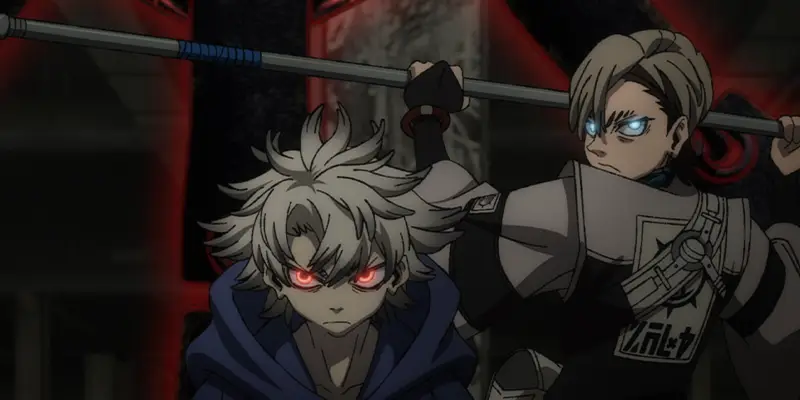
Image: Fighting and Aesthetic Style | Gachiakuta Ep 7 | Studio Bones | Crunchyroll
There’s texture to the environments that makes it feel like anything could happen and anyone could just pop out of a trash pile at any given time. The world feels chaotically handcrafted with love rather than the boring sterility that we’ve been force fed with a lot of other recent anime.
Is it perfect? Nah, of course not.
There are moments where the animation dips and certain scenes feel a little less polished. But when Gachiakuta wants to flex it’s awesomeness – it absolutely blows you away.
And let’s be real…when your entire concept revolves basically around weaponized trash, style starts to really matter a lot.
What You Should Actually Expect from Gachiakuta
Let’s be honest about what this show is and isn’t.
What this Anime Is:
A big-energy battle shonen with peak aesthetic identity
A revenge narrative with not-so-subtle social inequality themes
Unique and chaotic monster designs
Loud characters with big emotions
What this Anime Is Not:
A groundbreaking reinvention of the genre
Some deep, philosophical drama that will rewrite your worldview
Subtle in literally any capacity whatsoever
So if you’re burned out on the “traditional” shonen formulas, this anime honestly might not convert you. The structure is familiar. Training arcs and escalating threats are baked into the DNA.
But if you still enjoy that formula and just want something that looks a little different and feels a lot grimier, I think Gachiakuta is likely to scratch that itch for ya.
It knows what it is. It leans into it. It does not need to apologize.
Deluxe Trash, Served Hot
TL;DR: Gachiakuta is not here to dethrone the kings of shonen. In my opinion, it’s here to throw a flaming hot garbage can through the window of polite anime society and yell about injustice at the top of its angsty lungs.
And honestly, that infectious energy is kinda refreshing in 2026.
Yes, it borrows familiar beats. Yes, some dialogue goes full wannabe edgelord. Yes, Rudo probably needs a bath and a lozenge.
But the world-building is epic. The style is distinct. The fights are entertaining. And the characters, while chaotic, are oddly lovable.
Call it recycled. Call it derivative. Call it trash.
Just know it’s the fun kind of trash.
The kind you dig through expecting disappointment, only to find something weirdly funderful underneath.
And if that makes me an anime raccoon, so be it.
If you want to be an anime raccoon too, you can watch full episodes of Gachiakuta on Crunchyroll!
This was a commentary article based on publicly available information and personal opinion. Readers are encouraged to form their own conclusions based on the sources cited.
All images, logos, and video clips used in this article are the property of their respective owners. This content is used for the purposes of commentary, criticism, and news reporting under the guidelines of Fair Use (17 U.S.C. § 107). No copyright infringement is intended. If you are the copyright holder and believe your content has been used improperly, please contact us directly.
Want More?
Check These Out Next!
About Report AFK
A place for gamers, by gamers, untarnished by corporate gaming media and their nonstop attempts to elevate bad games while denouncing any developers brave enough to stand up to them.
Site Links

Copyright 2026 ReportAFK.com
Be the first to leave a comment